

Table of Contents
- What to Check Before You Buy: The Quality Clothing Checklist
- Inspect Fabric and Fiber Composition
- Assess Stitching and Seam Construction
- Evaluate Fit, Cut, and Drape
- Check Hardware, Buttons, and Finishing Details
- Signs of Well-Made Clothing: Spot Quality Markers
- Common Quality Problems to Avoid
- Frequently Asked Questions
Last Updated: October 11, 2026
What to Check Before You Buy: The Quality Clothing Checklist
Identifying high-quality clothing gets easier once you know what details to look for. Fabric, construction, fit and finishing can all give you useful clues about how a garment is made and how well it may hold up over time.
You don’t need to be a clothing expert to evaluate quality. A few simple checks can help you shop more confidently, whether you’re buying in-store or online.
The Five-Minute In-Store Inspection
- Feel the fabric. Pay attention to the weight, texture and overall feel. The right fabric should feel appropriate for the garment and comfortable against the skin.
- Look inside the garment. Check whether the seams are straight, secure and neatly finished, with no obvious loose threads or unraveling.
- Inspect the details. Look at hems, buttonholes, buttons, zippers and closures to make sure they appear secure and work smoothly.
- Try it on. Pay attention to fit, drape and movement. A well-made garment should feel comfortable and sit properly without unnecessary pulling, twisting or gaping.
Testing Quality Online Before Purchase
When shopping online, use the information on the product page to help evaluate the garment before ordering.
- Read the full fiber-content label when it’s provided.
- Look for clear photos that show fabric texture, construction and garment details.
- Read customer reviews for repeated comments about fit, pilling, shrinking, seams or durability.
- Review the return policy so you know your options if the garment doesn’t work for you.
Inspect Fabric and Fiber Composition
Fabric quality starts with understanding what a garment is made from and whether the material suits the way the piece is designed to be worn.
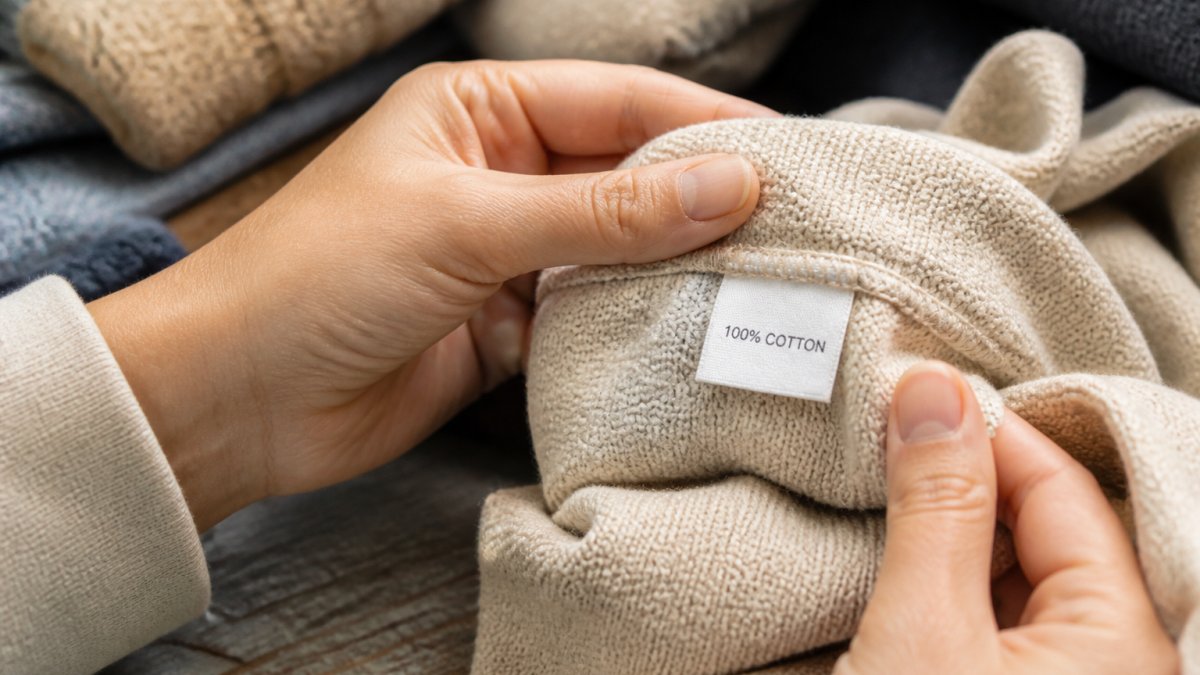
Feel the fabric’s weight, texture and overall hand. A good-quality fabric should feel appropriate for the garment, whether it’s soft and fluid, structured and substantial, or intentionally textured.
Check the fiber-content label when it’s available. Knowing the percentage of each fiber can help you understand how the garment may feel, stretch, breathe and require care.
Best Fabrics for Durable Clothing
There isn’t one fiber that automatically means higher quality. Natural fibers, synthetics and blends can all perform well depending on the fabric construction and intended use.
Cotton can be soft, breathable and versatile, while wool, linen and silk each bring different qualities to a garment. Synthetic fibers can add durability, wrinkle resistance, stretch or easier care when used thoughtfully.
The Coastal Morning Slub Set is a good example of how fabric choice can shape the feel of a garment. Its cotton slub texture gives the set a relaxed, casual look while keeping it comfortable for everyday wear.

Understanding Fiber Blends and Performance Trade-Offs
Many modern garments use fiber blends to balance comfort, structure, stretch, breathability and care.
A cotton blend may offer softness with added shape retention, while polyester or nylon can contribute durability and wrinkle resistance. Elastane or spandex adds stretch and flexibility, which can make a garment more comfortable and easier to move in.
Instead of judging quality by one fiber alone, consider how the full fabric blend works with the garment’s purpose, fit and care requirements.
Assess Stitching and Seam Construction
Seams can tell you a lot about how thoughtfully a garment was constructed. Look for stitching that appears even, secure and appropriate for the fabric rather than focusing on one specific stitch count.
Flip the garment inside out and check whether the seams lie flat and look consistent. Loose threads, skipped stitches or visibly uneven stitching can be signs that the construction may not hold up as well over time.
Pay extra attention to higher-stress areas such as armholes, shoulder seams, waistbands and crotch seams. Reinforcement in these areas can help a garment handle regular movement and wear.
Finished seams may be overlocked, bound, flat-felled or completed in other ways depending on the fabric and garment design. What matters most is that the edges look secure and appropriate for the material.
A few stray threads are not always a quality problem, but numerous loose or unraveling threads are worth a closer look before you buy.
Evaluate Fit, Cut, and Drape
Fit, cut and drape can tell you a lot about how thoughtfully a garment was designed. The goal is not that every piece fits the same way, but that the shape feels intentional and works with the fabric.
Try the garment on and pay attention to how it sits on your body. Shoulder seams, waist placement and overall ease should make sense for the intended silhouette, whether the fit is tailored, relaxed or oversized.
Check the length and balance of the garment. Hems should look intentional and even, and the proportions should feel appropriate for the style.
Notice how the fabric drapes. A well-constructed garment should hang in a way that complements the design without unexpected twisting, pulling or bunching.
Move around in it. Lift your arms, bend and sit. The garment should allow comfortable movement and keep its intended shape.
The Everly Magic Column Overalls are a good example of how construction and fabric can work together: they offer structure through the front while adding stretch in the back for comfort and ease of movement.

Check Hardware, Buttons, and Finishing Details
Small finishing details can tell you a lot about how carefully a garment was made.
Check buttons and buttonholes first. Buttons should feel secure, and buttonholes should be neatly finished without obvious fraying or loose threads.
Test the zipper by opening and closing it a few times. It should move smoothly and feel securely attached to the garment without catching, twisting or pulling away from the fabric.
Look at other hardware such as snaps, hooks and rivets. These details should feel secure, line up properly and function the way they are intended to.
Examine hems and edges as well. Finished hems should look neat and secure, while intentional raw hems should still appear purposeful and appropriate for the design.
Finally, check the pockets. Make sure they are sewn securely and feel sturdy enough for normal use, especially at corners and other higher-stress areas.
Signs of Well-Made Clothing: Spot Quality Markers
Well-made clothing tends to show consistency across the entire garment. No single detail proves quality on its own, but several thoughtful details together can tell you a lot.
Look for secure seams, neatly finished hems, functional hardware, clear care information and fabric that feels appropriate for the garment. Fit and movement matter too — a well-constructed piece should feel intentional in the way it sits, drapes and moves.
Quality can also show up over time. A garment that maintains its shape, resists excessive pilling or snagging, and continues to feel comfortable after regular wear is often a better long-term value.
Boutique Quality vs. Mass-Produced Clothing
Boutique clothing is not automatically higher quality, and mass-produced clothing is not automatically lower quality. The difference often comes down to how a particular garment is designed, sourced, constructed and selected.
One advantage of shopping with a curated boutique is that the retailer has already narrowed the assortment. At UPTOWN, we choose pieces with fit, feel, versatility and overall quality in mind rather than simply carrying every available option.
When comparing garments, focus on the piece in front of you rather than the label alone.
Quality Marker |
What to Look For |
|---|---|
Fabric |
Material that feels appropriate for the garment and suits its intended use |
Seams |
Even, secure stitching without obvious skipped stitches or unraveling |
Reinforcement |
Extra support in higher-stress areas when the design calls for it |
Hardware |
Buttons, zippers, snaps and closures that feel secure and function smoothly |
Hems & Edges |
Neat, secure finishing or intentional raw detailing |
Fit & Drape |
A silhouette that feels purposeful and moves comfortably with the body |
Common Quality Problems to Avoid
When you inspect a garment, look for signs that may affect how well it wears over time. Some issues are easy to spot before you buy, while others may only show up after repeated wear or washing.
Pilling
Pilling happens when fibers work loose from the fabric surface and form small balls. Some fabrics are naturally more prone to pilling than others, so a little pilling does not automatically mean poor quality.
Before buying, look for excessive fuzzing or visible pills on a new garment, especially in high-friction areas.
Snags and Pulled Fibers
Snags happen when fibers catch and pull, creating a loop or visible disruption in the fabric. Looser knits and delicate fabrics may be more susceptible than tightly woven materials.
Check the garment for existing pulls, loose loops or areas that already look damaged.
Seam Puckering or Bubbling
Seams that look puckered, twisted or uneven can be worth a closer look. Sometimes this is part of the fabric or design, but obvious pulling or bubbling may suggest that the fabric and stitching are not working well together.
Color Fading or Bleeding
Color performance depends on the fabric, dye process and care instructions. Before buying, look for uneven coloring, fading or discoloration on a new garment.
Always follow the care label, especially with darker or highly saturated colors that may require extra care during the first few washes.
Unexpected Shrinkage
Different fabrics respond differently to washing and drying. Natural fibers, blends and synthetics can all change depending on how they are cared for.
Check the care instructions before buying and make sure they work realistically with your routine. If reviews repeatedly mention significant shrinking, that is worth considering before you order.
Loose or Unraveling Seams
A few stray threads are not always a concern, but seams that are already opening, unraveling or showing skipped stitches deserve a closer look.
Pay particular attention to higher-stress areas such as underarms, waistbands, crotch seams and pocket corners.
Fabric Thinning and Wear
Areas that experience frequent friction may naturally show wear first over time. Before purchasing, check for thin spots, uneven fabric density or areas that already look stretched or worn.
How to Spot These Problems Before Buying
When shopping in-store, take a quick look for existing pilling, snags, loose seams, uneven coloring or other visible damage.
When shopping online, read reviews for repeated comments about issues such as shrinking, pilling, fading or seams coming apart. Product photos, fabric details and care instructions can also help you make a more informed decision.
The goal is not to find a garment that will stay perfect forever. It’s to look for thoughtful construction, appropriate materials and a piece that feels suited to how you plan to wear and care for it.
Frequently Asked Questions
How can you tell if a garment is well made?
A well-made garment usually shows consistency across the details. Look for secure seams, neatly finished hems, smooth-working zippers, firmly attached buttons and fabric that feels appropriate for the design. The fit should also feel intentional, with the garment sitting and moving comfortably on the body. No single feature proves quality, but several thoughtful details together can tell you a lot.
What should you check when inspecting clothing seams?
Look for stitching that appears even, secure and appropriate for the fabric. Seams should generally lie flat without obvious puckering, twisting, skipped stitches or unraveling. Pay extra attention to higher-stress areas such as armholes, waistbands and crotch seams, where reinforcement can help the garment hold up to regular wear.
How can you tell whether fabric will hold up over time?
Start by looking at the fabric as a whole rather than judging it by fiber type alone. Check the weight, texture, density and overall feel, then consider whether the material suits the garment’s intended use. Reviews can also be helpful for spotting repeated comments about pilling, shrinking, snagging or losing shape after wear.
What fabrics should you stay away from?
There isn’t one fabric that should always be avoided. Natural fibers, synthetics and blends can all perform well depending on the construction and intended use. Instead, be cautious with garments that already show excessive pilling, snagging, thinning, uneven texture or unclear fiber and care information. The best choice is a fabric that feels appropriate for the garment and works with how you plan to wear and care for it.